Course description

This course introduces learners to environmental systems, natural-resource conservation, climate change, waste management, and sustainable development. It also explains how individuals, communities, businesses, and governments can contribute to a sustainable future.

 

Course Content

  • Meaning and components of the environment
  • Biotic and abiotic components
  • Ecosystems and their importance
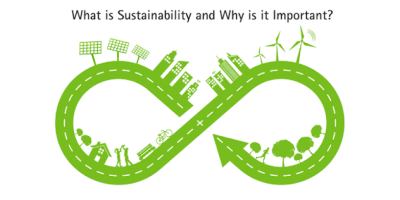
  • Meaning of sustainability
  • Three pillars of sustainability:
    • Environmental sustainability
    • Social sustainability
    • Economic sustainability
  • Human impact on the environment
  • Sustainable Development Goals (SDGs)

What will i learn?

  • Explain the meaning of environment, ecosystem, and sustainability.
  • Identify biotic and abiotic components of the environment.
  • Describe the environmental, social, and economic pillars of sustainability.
  • Differentiate between renewable and non-renewable resources.
  • Explain the importance of conserving water, forests, soil, and biodiversity.
  • Identify the main causes and effects of air, water, soil, and noise pollution.
  • Segregate biodegradable, recyclable, and hazardous waste correctly.
  • Apply the principles of refuse, reduce, reuse, repair, and recycle.
  • Explain the causes and effects of climate change.
  • Differentiate between climate-change mitigation and adaptation.

Requirements

  • Basic reading and comprehension skills
  • Access to a computer, smartphone, or tablet for online learning
  • A stable internet connection if taking the course online
  • A notebook or digital application for taking notes
  • Interest in environmental protection and sustainable development
  • Willingness to complete all five modules and quizzes
  • No previous knowledge of environmental science is required

Frequently asked question

This course explains important environmental and sustainability concepts, including ecosystems, natural-resource conservation, pollution control, climate change, waste management, renewable energy, and sustainable lifestyles.

The course is suitable for students, teachers, employees, community members, NGO workers, business professionals, and anyone interested in environmental protection and sustainability.

No. This is a beginner-friendly course, and no previous environmental or scientific knowledge is required.

The course includes five modules. Each module contains learning content and a quiz with five questions.

The recommended passing score is 60%, or 15 correct answers out of 25 questions.

A certificate may be awarded after the learner completes all five modules and passes the final assessment, depending on the course provider’s certification policy.

The complete course can generally be finished in approximately 3–5 hours. Learners may complete it at their own pace.

Yes, the content can be delivered through an online learning platform, classroom training, workshops, or a blended learning format.

The course will help you understand environmental challenges, adopt sustainable habits, conserve resources, manage waste responsibly, and participate in environmental initiatives.

Free

Lectures

3

Quizzes

3

Skill level

Beginner

Expiry period

Lifetime

Certificate

Yes

Share this course

Related courses